
Day of Procedure
Your Hair Transplant Journey 3 - A Step-by-Step Guide to the FUE procedure flow.
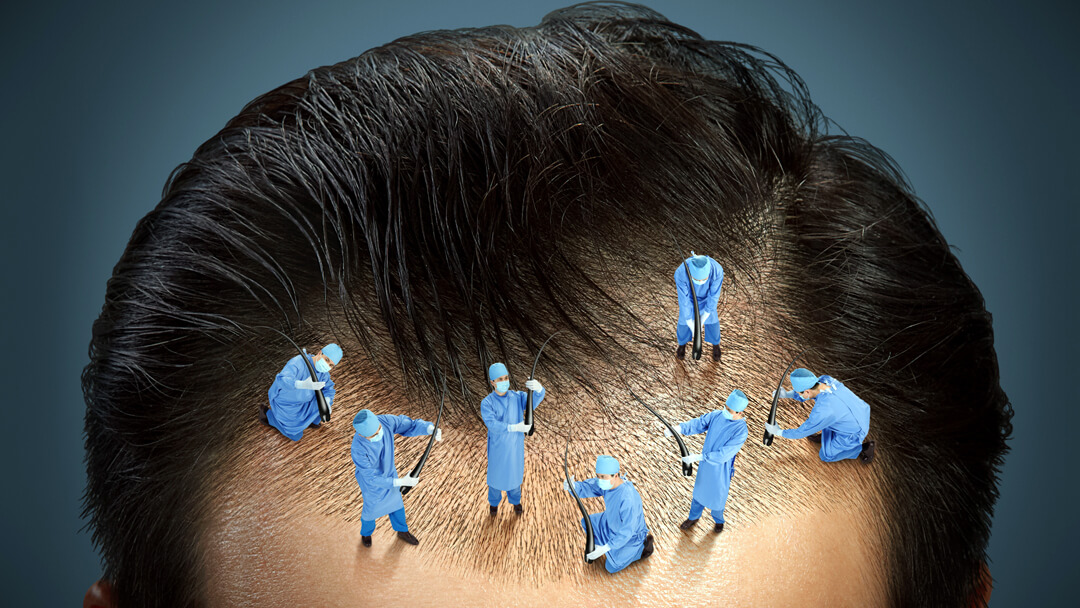
Arrival and Hairline Design
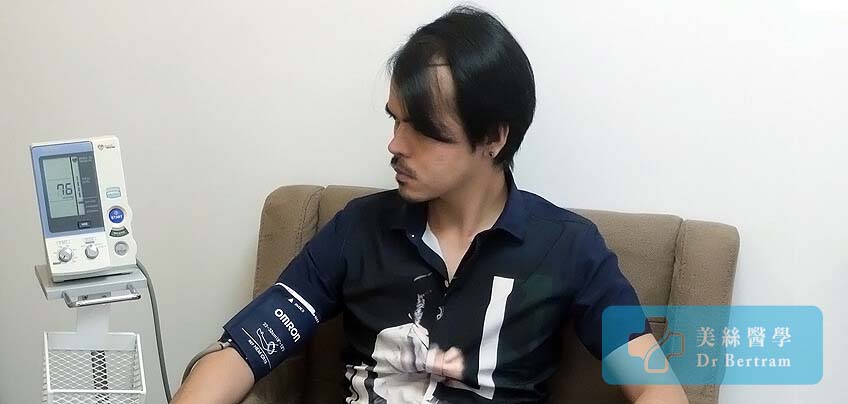
- Welcome and paperwork: Finalize consent forms.
- Before hygiene: Change into surgical garments; scalp washed with antiseptic.
- Digital analysis: Donor area mapped and density measured.
- Design confirmation: Surgeon marks hairline for patient approval before incisions.
- Pre-medication: Oral relaxant and analgesic as needed.
FUE Graft Harvesting

- Anesthesia: Local anesthesia with oral relaxants. Patient remains awake and able to communicate.
- Pain management: Ultra-fine needles and slow administration.
- Positioning: Patient rests on an ergonomic surgical chair.
- Instrumentation: Titanium punches — 0.8mm standard, 0.7mm for finer hair.
- Tumescence: We do not use tumescent anaesthesia.
Graft Preparation and Storage
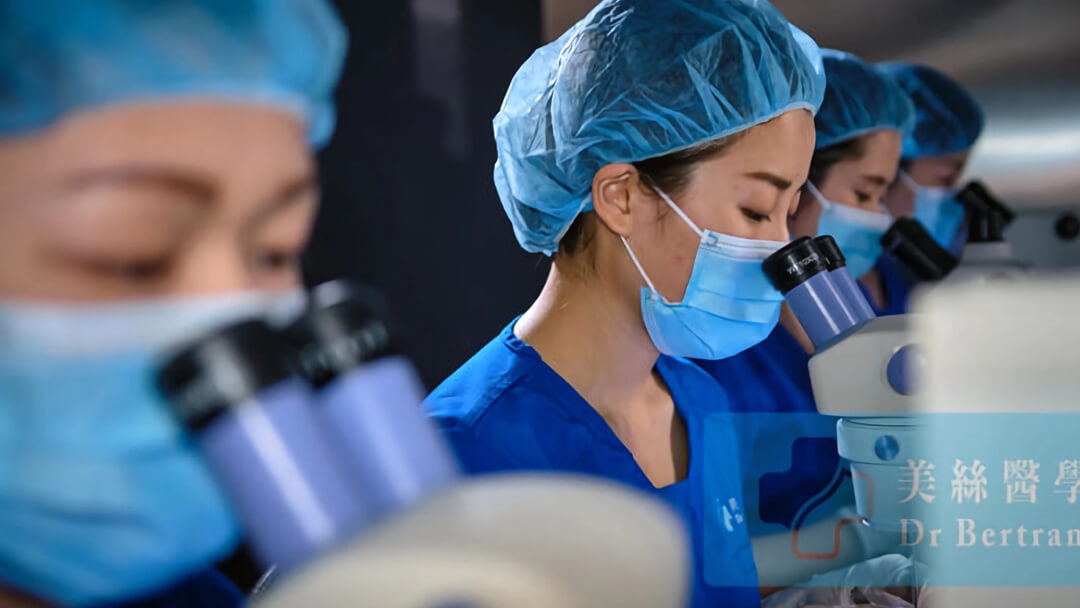
- Microscopic sorting: Grafts viewed under 10x magnification; sorted by hair count (1, 2, or 3-hair grafts).
- Storage solution: Grafts maintained in physiologic storage media.
- Patient inspection: Patients may view their own grafts under microscope during break.
Break Period
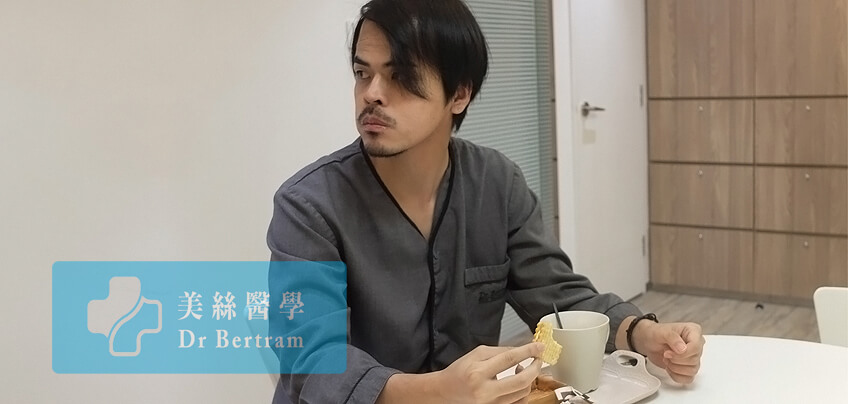
A short break is provided during the procedure. Patients may rest and have refreshments.
Graft Implantation
Recipient Site Creation
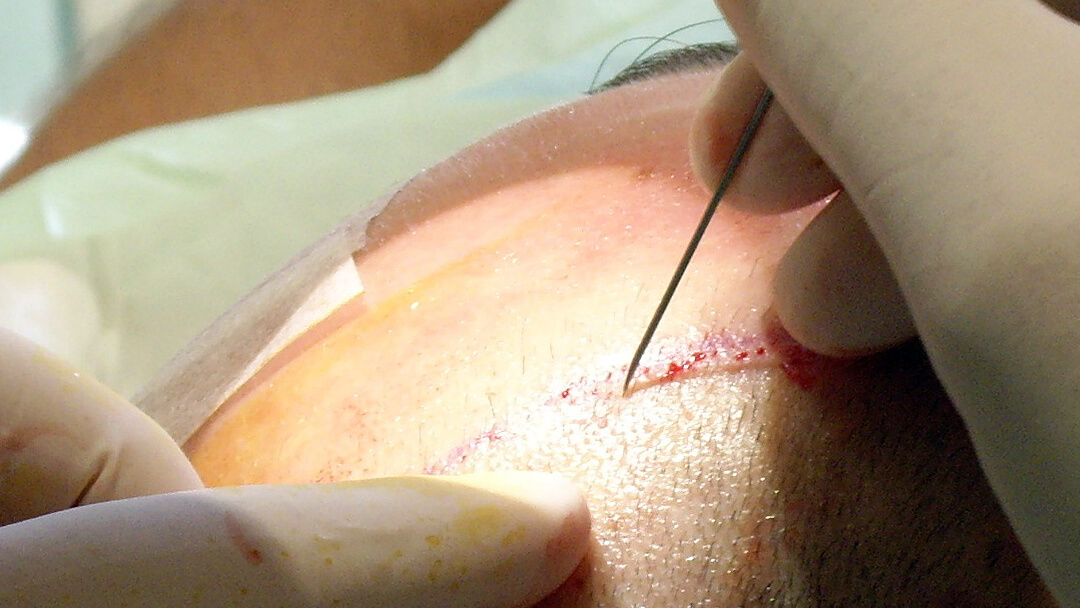
The surgeon creates tiny incisions (slits) using surgical loupes. Angle, direction, and density match native hair flow.
No-Touch Implantation Techniques
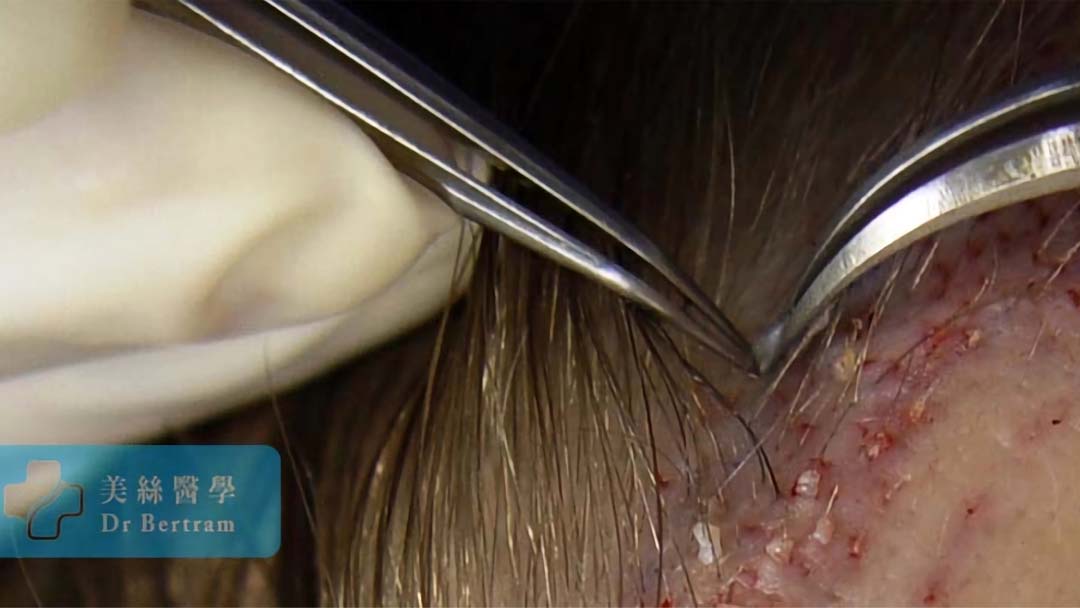
- Forceps technique: Grasp hair shaft to minimize graft trauma.
- Stick-and-place: Incision made and graft inserted immediately.
- Implanter pen: Graft loaded into a tube for insertion.
Completion and Discharge
Final Inspection
Examination of recipient area and scalp cleansing.
Post-Procedure Care
Protective headband applied. Patient receives post-procedure kit and written instructions.
Discharge
Health check completed. Total procedure time: 6–8 hours.
24 Hours Support Access
Contact information provided for post-procedure questions.
Frequently Asked Questions
Q: Can I drink coffee on the day of the procedure?
Caffeine may increase anxiety and blood pressure. Water is recommended.
Q: Should I eat before the procedure?
Yes, have a light meal. Do not arrive on an empty stomach.
Q: Can I shave my head myself?
No, our doctors will shave the hair for you.
Q: What if I take medication not listed?
Disclose all medications and supplements during consultation for personalized guidance.
Q: Will I feel pain during the procedure?
Local anesthesia numbs the area. Patients typically remain comfortable throughout.
Q: Can I eat or drink during the procedure?
A break is provided. Water is available throughout.
Q: How long does the procedure take?
6–8 hours depending on graft count, including breaks.