
Our Risk Management in Hair Transplant
Prevention, anticipation, and medical oversight at every stage.
Part 1 - Rare but Serious Complications — Prevention and Management
Serious complications are uncommon when procedures are performed by skilled surgeons. The following table summarises prevention and management strategies:
1.1 Donor Depletion (Over-Harvesting)
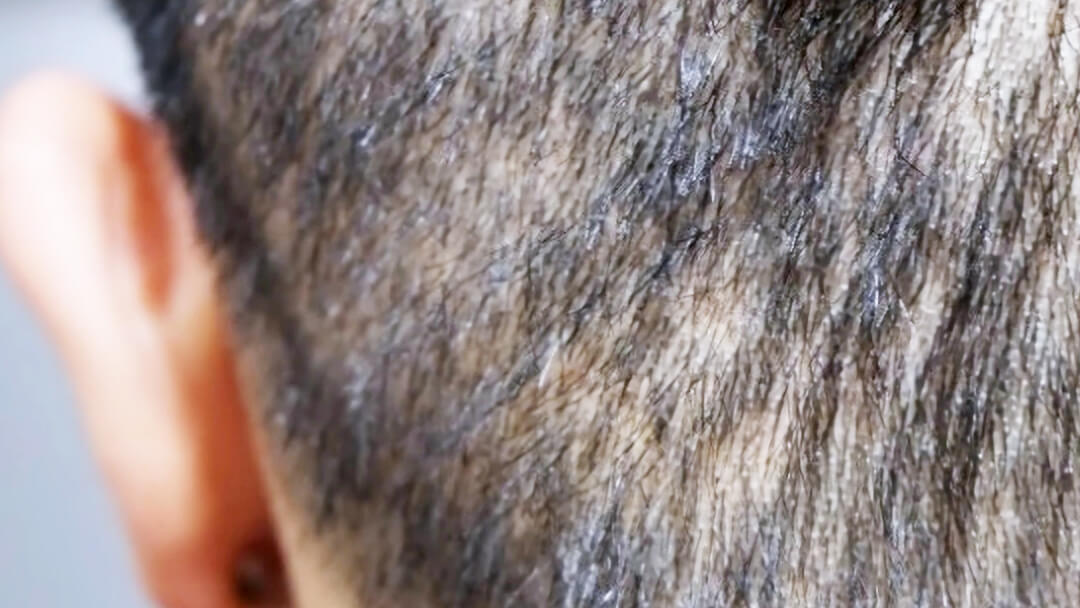
What it is: Irreversible thinning in the donor area caused by extracting too many grafts.
Prevention: A conservative "lifetime graft budget" is calculated before surgery. Ultra-fine tools (≤0.8mm) are used to minimise trauma and preserve donor density.
Management: If early signs of depletion are recognised, the procedure is adjusted or discontinued to preserve remaining donor supply.
1.2 Unnatural Result
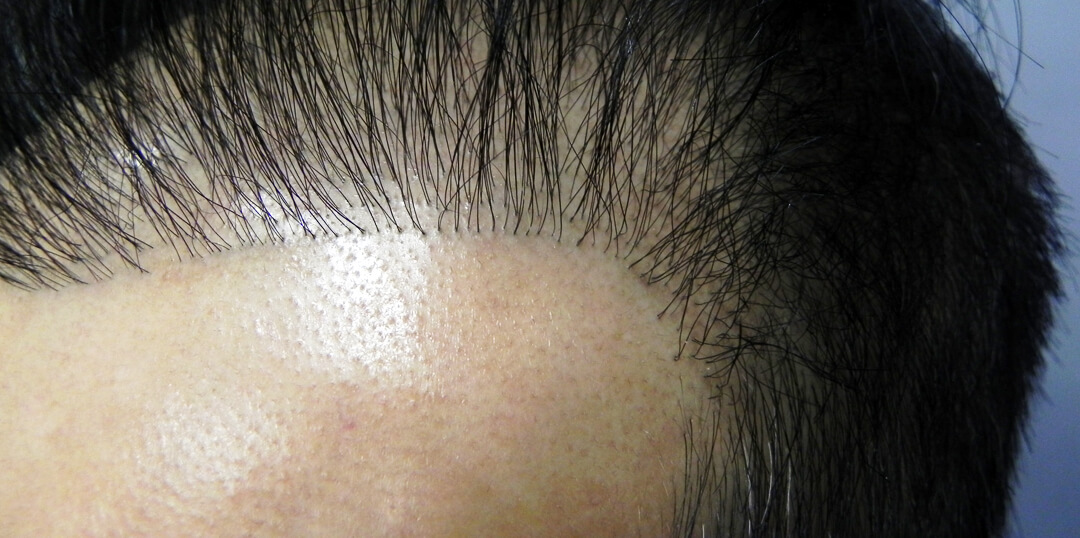
What it is: An unnatural result in hair restoration—often described using terms like "pluggy," "cornrow," or "doll's hair" — is the direct legacy of early surgical techniques and a failure to respect the natural architecture of human hair growth. Historically, hair transplantation involved the use of large 4mm "punch grafts" containing 20 to 30 hair follicles, often referred to as "standard grafts"
Read More About Unnatural Results →1.3 Poor Graft Growth
What it is: Transplanted hairs fail to survive or grow adequately.
Prevention: Maximising survival requires doctor-led handling, minimising graft exposure time outside the body, and using optimal storage solutions.
Management: Early recognition allows for targeted interventions, including medication adjustment or additional sessions if indicated.
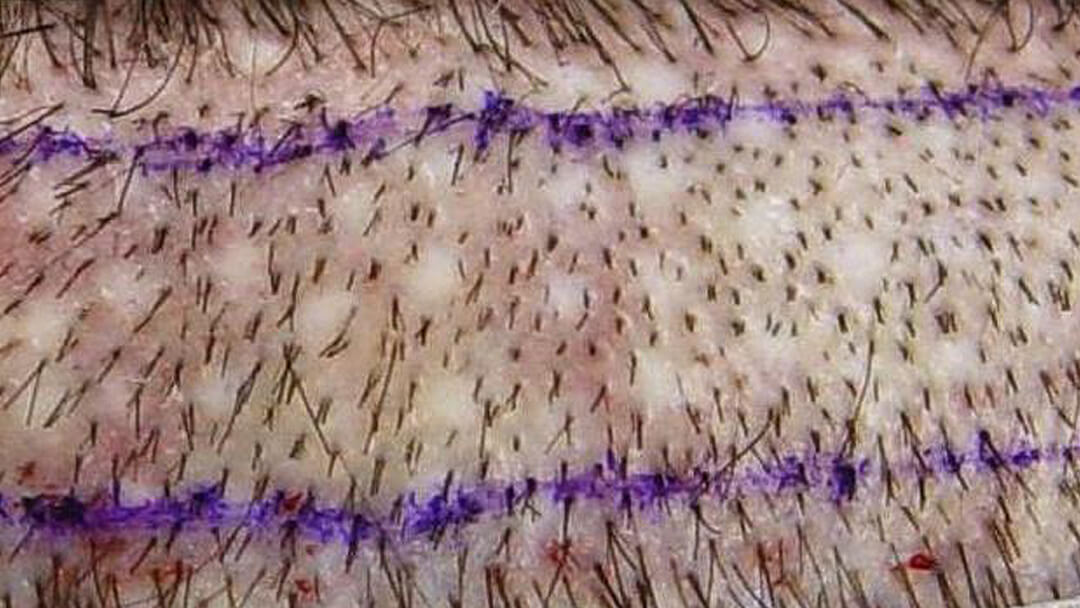
1.4 Visible & Unsightly Scarring
What it is: Noticeable white spots or scars in the donor area due to large punch sizes or uneven extraction.
Prevention: Precise, evenly distributed extractions with tiny punches ensure scars remain virtually undetectable.
Management: Scar revision techniques may be considered if clinically indicated.
1.5 Infection
What it is: Bacterial infection in the treated area.
Prevention: In a medical facility with strict sterile protocols, infection rates are typically below 0.5%. Antibiotics are targeted only if clinically indicated.
Management: Prompt recognition and targeted antibiotic therapy under medical supervision.
1.6 Bleeding (Intra/Post-Operative)
Why it happens: While minor oozing is normal, excessive bleeding usually results from underlying medical conditions, use of blood-thinning medications, or aggressive activity immediately after surgery.
Prevention: Disclose all medications and supplements to the surgeon well in advance. Strictly follow post-op instructions: sleep with head elevated, avoid strenuous activity, and avoid bending over for the first few days.
Management: Apply cold compresses as directed. Persistent bleeding requires medical assessment.
Note:
Hair transplant protocols vary by clinic and surgeon. What is described here represents common practice, but individual approaches may differ.
Part 2 : Common, Temporary Side Effects
Most patients experience mild, short-term reactions as part of the normal healing process. These are expected, manageable, and typically resolve without intervention.
2.1 Shock Loss (Temporary Shedding)
What it is: Temporary shedding of existing, non-transplanted hair around the recipient area, typically occurring 4–8 weeks post-surgery.
Management: Patients are informed during consultation that this is a normal healing response. Healthy follicles usually regrow within 3–6 months.
2.2 Folliculitis (Small Bumps)
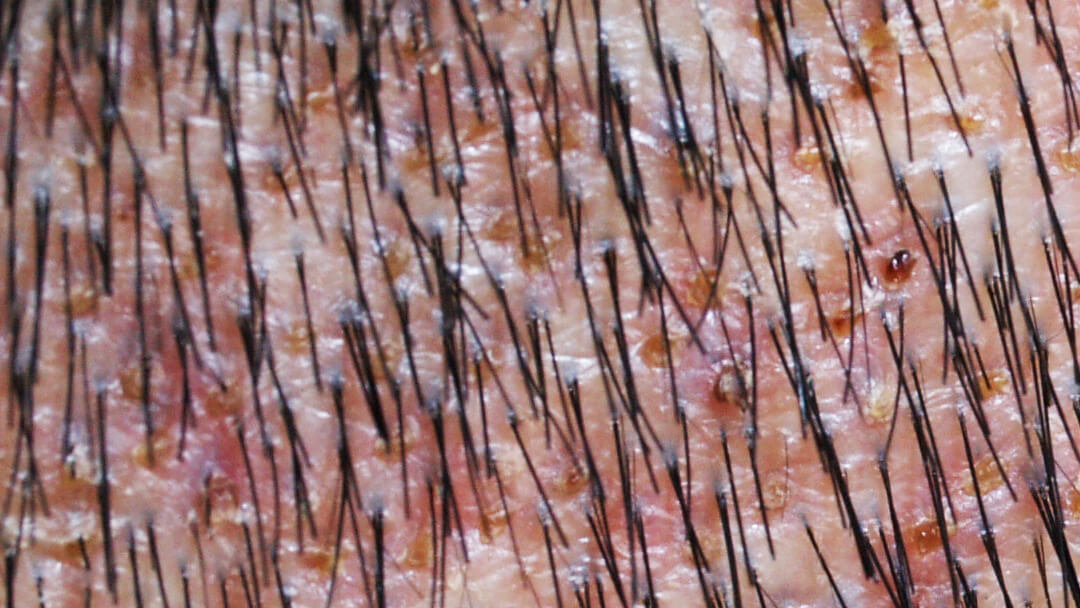
What it is: Pimple-like bumps appearing as new hairs emerge. This is usually a sterile inflammatory reaction, except when with yellow crusts it might be a possible bacterial infection.
Management: Resolves with gentle cleansing and warm compresses. Antibiotics are rarely needed unless secondary infection occurs.
2.3 Temporary Numbness
What it is: Minor nerve irritation in the donor or recipient areas causing reduced sensation.
Management: Sensation typically returns fully within a few weeks to months as nerves heal naturally.
2.4 Facial Swelling
What it is: Mild forehead or temple swelling that usually peaks around Day 3 and resolves within 3–7 days.
Management: Refined surgical techniques and the use of compression headbands significantly reduce the severity and duration of swelling.
2.5 Post-Operative Hiccups
Why it happens: Persistent hiccups can occur due to diaphragm irritation from anaesthesia, medications, or gastric distension from swallowing air.
Management: Patients are advised to inform the surgeon of any history of acid reflux, avoid carbonated drinks immediately after, and follow post-op medication guidelines carefully. Simple breathing exercises may help.
Part 3 : Anticipation and Early Recognition
The most effective risk management strategy is anticipation — identifying potential complications before they occur — and early recognition — detecting adverse signs at the earliest possible stage.
3.1 Anticipation in Planning
- Medical History Review: Identifying risk factors such as bleeding disorders, diabetes, or history of poor wound healing.
- Medication Review: Identifying blood-thinning medications, supplements, or herbal remedies that may increase bleeding risk.
- Donor Assessment: Evaluating donor density, hair characteristics, and scalp laxity to plan a realistic graft count.
- Lifetime Graft Budgeting: Planning for future hair loss to avoid over-harvesting.
3.2 Early Recognition in Aftercare

- Regular Follow-Up: Scheduled post-operative visits allow the surgeon to monitor healing and identify complications early.
- Patient Education: Patients are educated on what to expect and when to seek medical advice.
- 24/7 Clinical Support: Patients have access to clinical support for any concerns during the recovery period.
- Surgeon-Led Monitoring: The same doctor who performed the surgery oversees aftercare, ensuring informed and consistent clinical decisions.
Early recognition allows for prompt, targeted intervention — preventing minor issues from becoming serious complications.
Part 4 : Prevention: The First Line of Defense
Serious complications are uncommon when procedures are performed by skilled surgeons. Most severe issues stem from poor planning, over-harvesting, or lack of medical oversight. Prevention strategies include:
4.1 Conservative Graft Planning
A "lifetime graft budget" is calculated before surgery. This ensures that donor hair remains available for future needs and prevents irreversible thinning in the donor area.
4.2 Strict Sterile Protocols
In a medical facility with hospital-grade sterility, infection rates are typically below 0.5%. Sterility is maintained through:
- Single-use disposable instruments and drapes;
- HEPA-filtered air purification in procedure rooms;
- Rigorous hand hygiene and PPE protocols;
- Proper disposal of clinical and biohazardous materials.
4.3 Safe Anaesthesia Practices
Only local anaesthesia with light conscious sedation is used. Deep sedation or general anaesthesia is avoided to minimise systemic risks.
4.4 Comprehensive Health Screening
A thorough review of medical history, current medications, and underlying conditions is conducted before clearing any patient for surgery. Patients are advised to discontinue blood-thinning medications and supplements well in advance.
4.5 Antibiotic Stewardship
Routine antibiotics are avoided to prevent resistance. Medication is reserved only for confirmed infections.
Part 5 : Management Protocols
When complications do occur, prompt and evidence-based management is essential. The following table summarises management protocols for common and rare complications:
| Complication | Management |
|---|---|
| Shock Loss | Reassurance; typically resolves within 3–6 months. |
| Folliculitis | Gentle cleansing, warm compresses; antibiotics if secondary infection. |
| Facial Swelling | Compression headbands; elevation of head; resolves within 3–7 days. |
| Numbness | Reassurance; sensation typically returns within weeks to months. |
| Infection | Targeted antibiotics; sterile wound care; medical supervision. |
| Bleeding | Cold compresses; elevation; avoid bending; medical assessment if persistent. |
| Donor Depletion | Adjust or discontinue procedure; preserve remaining donor supply. |
| Poor Graft Growth | Targeted interventions; medication adjustment; additional sessions if indicated. |
Part 6 : Why Doctor-Led Care Is Essential
Safety in hair transplantation is not accidental. It is the result of rigorous protocols, qualified supervision, and continuity of care. The presence of a registered medical doctor at every stage — from planning to aftercare — is the primary defense against complications.
6.1 The Role of the Doctor in Risk Management
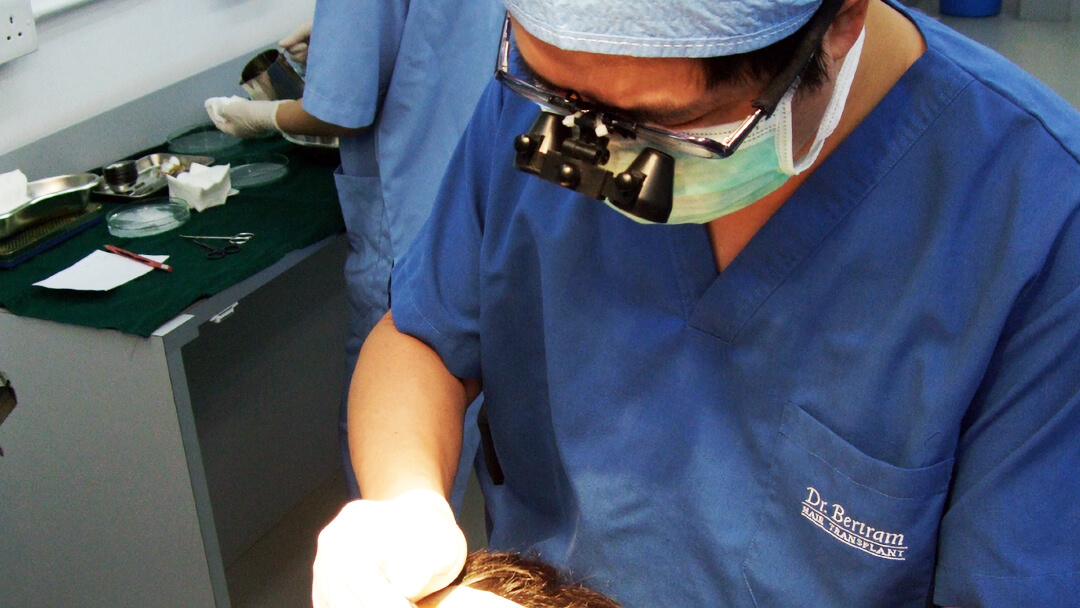
- Pre-Operative Planning: The doctor assesses medical history, current medications, and underlying conditions. A "lifetime graft budget" is calculated to prevent donor depletion. Hairline design and graft distribution are planned with long-term outcomes in mind.
- Intra-Operative Oversight: Every critical surgical step — anaesthesia administration, donor extraction, and recipient site creation — is performed by a registered doctor, not a technician.
- Post-Operative Monitoring: The same doctor oversees aftercare, allowing for early recognition of complications such as infection, poor graft growth, or unusual healing responses.
- Anticipation and Prevention: A doctor-led approach enables anticipation of potential issues based on the patient's individual anatomy, medical history, and the specific techniques used.
6.2 Why Continuity Matters
When the same doctor conducts the consultation, designs the procedure, performs the surgery, and manages aftercare, clinical decisions are consistent and informed. The doctor has direct knowledge of:
- The patient's hair characteristics and donor density;
- The specific techniques and instruments used during surgery;
- The patient's response to anaesthesia and post-operative recovery;
- Any early signs of complications that require intervention.
This continuity reduces the risk of miscommunication, delays in recognising complications, and inappropriate management.
Key Takeaways
- Prevention is Primary: Most serious complications are preventable through careful planning, conservative graft estimation, and strict sterile protocols.
- Anticipation and Early Recognition: Doctor-led care enables early identification of complications, allowing for timely intervention before issues worsen.
- Surgeon Accountability: When the same doctor performs consultation, surgery, and aftercare, clinical decisions are consistent and informed by direct knowledge of the patient's anatomy and medical history.
- Transparency: Open discussion of risks and management strategies is a core component of patient safety.