
Are You a Good Candidate for Eyebrow Transplant ?
Clinical assessment guidelines for eyebrow restoration candidacy.
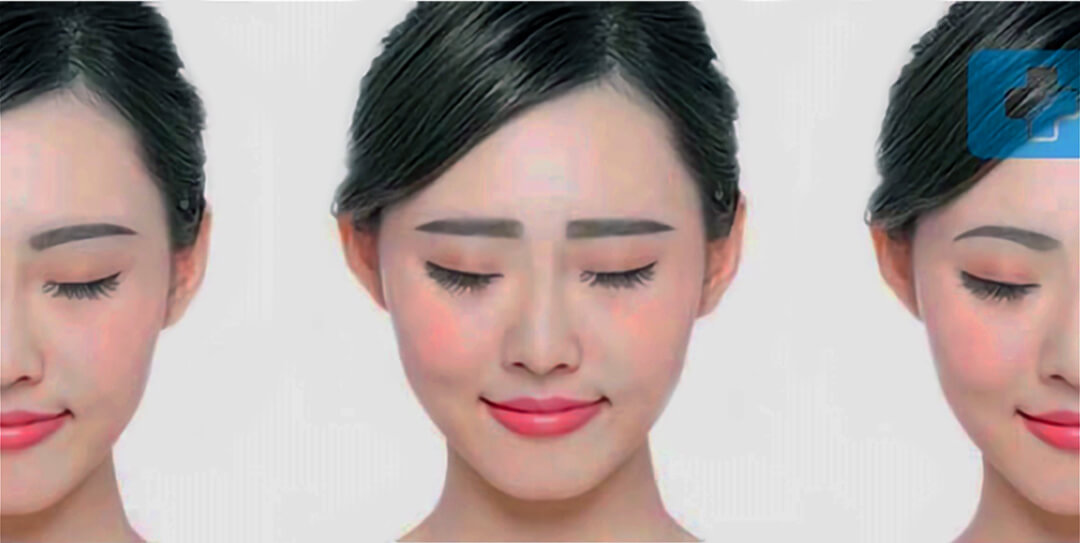
Eyebrow transplantation is a highly effective procedure for restoring natural-looking eyebrows. However, not everyone is a suitable candidate. A thorough clinical assessment is essential to determine candidacy, identify the most appropriate approach, and set realistic expectations.
Candidates generally fall into two main categories: those requiring scar repair and those seeking density enhancement. Within these categories, specific indications guide the treatment plan.
Clinical Applications
1. Scar Repair
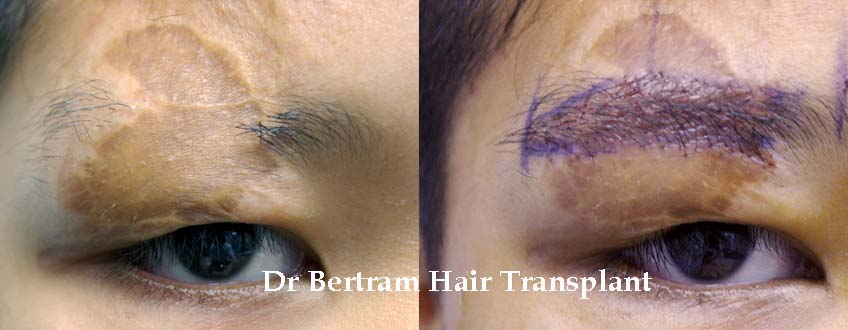
This category includes patients with hair loss in the eyebrow area due to physical damage or congenital absence.
- Congenital defects: Natural hair growth created in missing eyebrow areas (hypotrichosis).
- Post-tattoo removal: Residual marks from failed cosmetic tattoos camouflaged with natural growing hair.
- Trauma or surgical scars: Follicles implanted into stable scar tissue from burns, accidents, or previous surgeries.
2. Density Enhancement
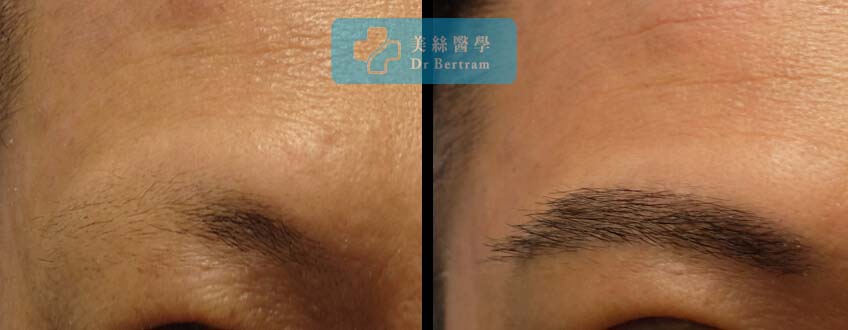
This category includes patients with thinning, sparse, or absent eyebrows who desire a fuller, more defined appearance.
- Thinning or sparse brows: Genetics, over-plucking, aging, or hormonal changes (e.g., thyroid disorders).
- Scarring: Minor scars from trauma, burns, or cosmetic procedures that disrupt eyebrow growth.
- Congenital absence: Poor or missing eyebrow growth from birth (hypotrichosis).
Candidacy Assessment
A comprehensive assessment determines whether a patient is suitable for eyebrow transplantation. The following factors are evaluated:
- Donor hair quality: Texture, color, and curl from the nape (or other donor areas) are assessed to ensure a match with natural brows. Fine, straight hairs typically produce the most natural results.
- Facial anatomy: Bone structure influences feasible design and placement. The surgeon will evaluate the existing brow architecture and facial symmetry.
- Stability of hair loss: Underlying conditions (such as alopecia areata or thyroid disorders) should be inactive and stable for at least 6-12 months before surgery. Active inflammation is a contraindication.
- Medical history: Conditions affecting healing (diabetes, autoimmune disorders) and medications (blood thinners) are reviewed.
- Expectations: Patients must demonstrate realistic understanding of what the procedure can achieve – including the need for ongoing trimming and the possibility of a touch-up procedure.
Realistic Expectations
Setting realistic expectations is essential for patient satisfaction. Key points to understand include:
- Improvement versus perfection: The goal is a natural-looking enhancement, not a perfect, symmetrical result. Minor asymmetry is normal in natural brows.
- Long-term maintenance: Transplanted hairs grow continuously (like scalp hair) and require regular trimming every 1-2 weeks initially. Over time, growth may slow, requiring less frequent trimming.
- Growth timeline: Initial growth appears at 3-4 months, with final results at approximately 12 months.
- Texture match: Fine donor hair is selected to match natural brows as closely as possible, though slight texture differences may occur.
- Touch-up possibility: In some cases, a touch-up procedure may be needed at 6 months to refine density or address areas with insufficient growth.
Frequently Asked Questions
Q: Is age a factor for candidacy?
Candidacy depends on the stability of hair loss rather than age. Younger patients with stable conditions may be suitable, but those with active, progressive hair loss should wait until the condition is controlled.
Q: Will the result appear natural?
Single-hair grafts placed at shallow angles support a soft, feathered appearance. When performed by an experienced surgeon, results are typically very natural.
Q: Can eyebrow transplant correct over-plucked brows?
Yes. Over-plucking that has led to permanent hair loss is one of the most common indications for eyebrow transplantation.
Q: What if I have an active scalp condition?
Active scalp conditions (psoriasis, seborrheic dermatitis, alopecia areata) must be well-controlled before surgery. A dermatology clearance may be required.
Key Points to Remember
- Two main categories: Scar repair and density enhancement – each with specific indications.
- Donor hair quality is the most critical factor for a natural result.
- Stable hair loss (6-12 months) is required before surgery.
- Realistic expectations are essential – improvement, not perfection.
- Long-term trimming is required as transplanted hairs grow continuously.
- Touch-up may be needed at 6 months for optimal density.